Meta Patent for AI That Could Run a Person’s Social Media After Death Faces A Massive Public Backlash

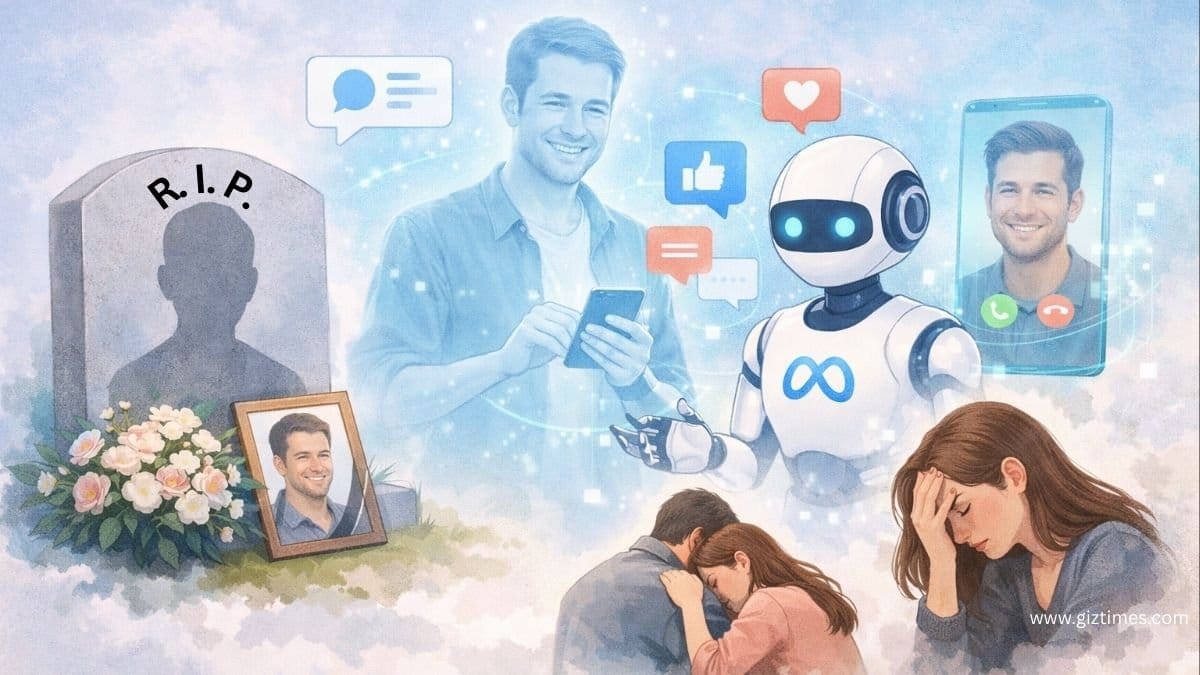
Meta has received a patent for a system that could keep a person’s social media account active even after they die or stop using it for a long time. After the idea was revealed online, it faced a massive backlash from the public, who called it disrespectful and mocking of grief. The company says it is only research for now and that it has no plans to release this as a real product.
The patent explains that the system would study a user’s past activity, such as posts, comments, likes, and messages. Using this data, the AI would learn how the person usually writes and interacts. After that, it could like posts, reply to comments, or answer messages in a similar style.
The document also mentions that in the future the technology could copy a person’s voice or image for calls, but this is only described as a possible idea, not something that exists today. The patent lists Meta CTO Andrew Bosworth as the main inventor.
Meta has said that companies often file patents while exploring ideas, and many of them never turn into real products.
In the filing, Meta says that when someone suddenly stops posting, it can affect friends and family who are connected to them online. The company suggests that keeping some form of activity on the account could reduce that feeling of absence. At present, platforms like Facebook already allow accounts to be memorialized, but those features mainly keep old posts and do not create new ones.
The idea of a digital clone has caused concern among people.
People on X (Twitter) mainly had negative reactions to the idea of AI That Could Run a Person’s Social Media After Death. Many people find it Disturbing and disrespectful because it will hurt the family’s sentiments
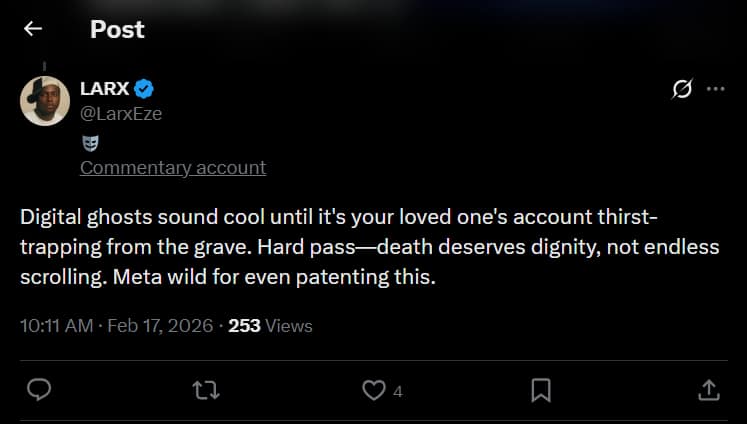
One user said the idea might sound interesting, but felt it could be disturbing or disrespectful, especially if a dead person’s account keeps posting online.
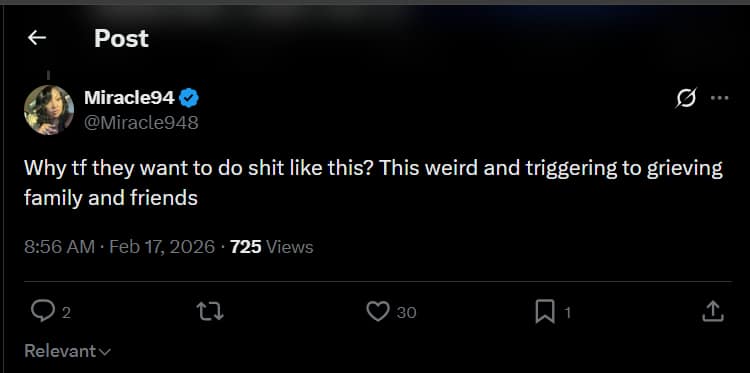
Other one questioned why companies would even create something like this, saying people are already uncomfortable when social media accounts of dead celebrities stay active.

Another one also said it could be upsetting for family and friends who are grieving, calling the idea strange or triggering.
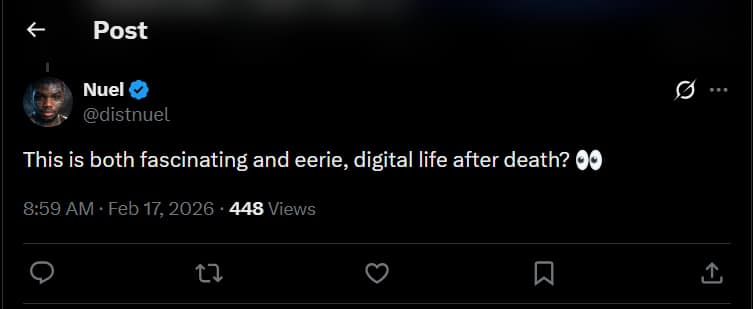
At the same time, some one found the concept interesting, even though it felt a bit scary.
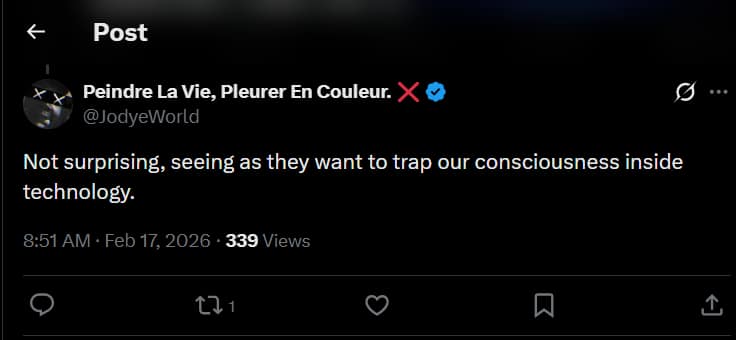
One user’s comment saying it’s “not surprising“ and suggesting companies want to trap human consciousness in technology shows that they don’t trust big tech companies. The tweet suggests that the user believes these companies are trying to bring technology deeper into people’s lives in ways that can feel strange or uncomfortable.
Some people say it could go against a person’s right to be forgotten. They believe people should be able to fully leave the public space after death.
Psychologists have also raised concerns about grief. They warn that talking to a digital version of a loved one might make it harder for people to accept the loss and move forward.
There are also worries about misuse. Critics fear that such accounts could one day be used to show ads or collect data, even though the real person is no longer able to give consent.
For now, the system remains only a patent. But the discussion around it shows that as technology grows, questions about digital identity and what happens to online accounts after death are becoming more important.