

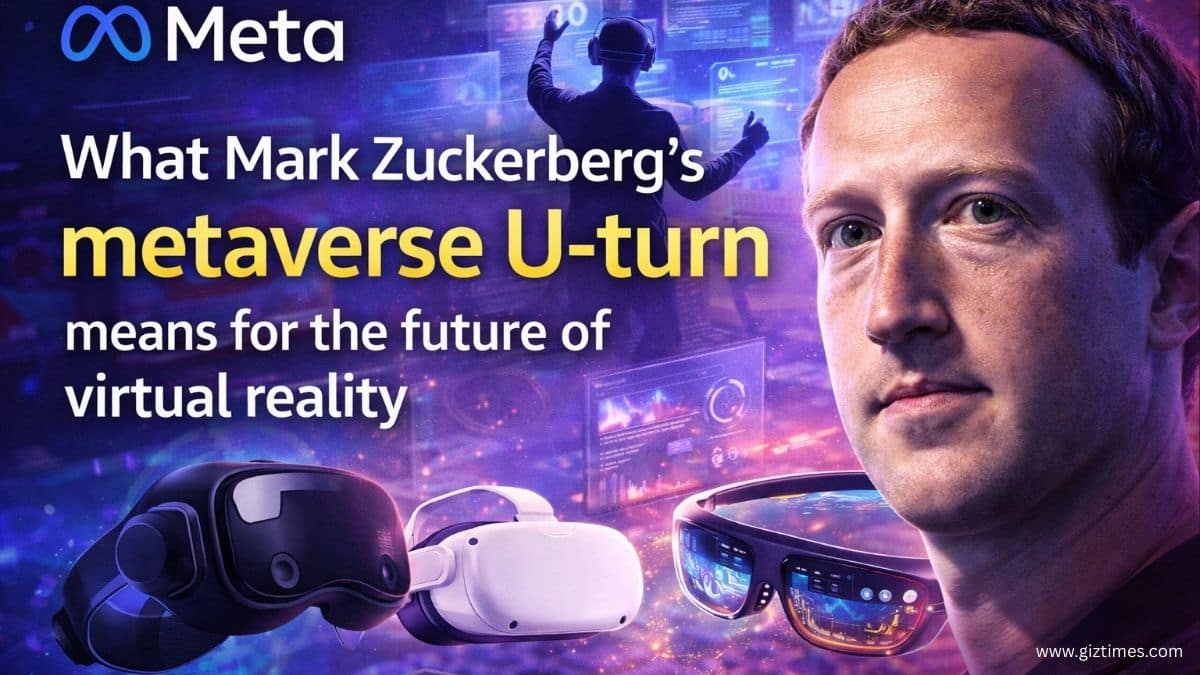
Meta is firing about 1,500 people from its Reality Labs team. That’s 10% of 15,000 workers. The news came on January 13, 2026, from CTO Andrew Bosworth. This hits projects like VR headsets and AR glasses from Mark Zuckerberg’s big metaverse dream. The company changed its name to Meta to focus on mixing the digital world with real life. Now, it is trying to save money and is shifting away from heavy VR headsets to lighter AR tools that can be used in everyday life.
🫵 Join the https://t.co/KFY5DDVuGw 😎
»What Mark Zuckerberg’s metaverse U-turn means for the future of virtual reality« https://t.co/KF0RMERxg7 #Metaverse #VirtualWorlds #XR #VR #MR #AR #BeyondPictures
— Metaverse (@Metaverse) January 20, 2026
Expert Per Ola Kristensson says that VR is not finished. It works very well for gaming and training, such as for doctors or pilots. High-end VR headsets can create enjoyable 3D worlds and track hand and eye movements. However, VR is still not very suitable for regular office work.
In a 2022 study, 16 people tried VR for 8 hours a day, 5 days straight. They did normal tasks like typing or spreadsheets.
Results were bad: more stress, frustration, tiredness, nausea, and eye strain than using a regular computer. They felt less productive. Videos showed them fixing headsets, dealing with cords, lifting it to eat, or rubbing their faces. Over time, they got a bit better—fussing 40% less with it by week’s end.
A study from 2024 showed that VR can work, but it does not copy real desks very well. VR is good for exploring new and imaginary worlds, but the headsets are heavy and can make people feel uncomfortable or sick if used for a long time. As AI becomes more common, we need better ways to control technology than just using phones and screens.
AR could be the solution. Devices like Microsoft HoloLens add digital information on top of the real world you see through glasses. You can interact by moving your hands or just looking at things. For this to really succeed, mixed reality (XR) should give people “superpowers.” Instead of clicking icons, you simply grab and use things—like pretending to hold a spray can to paint in 3D space. It could also show how a robot will move before it does, or blend AI smoothly into everyday life. Meta’s cuts are smart changes. The metaverse wins by mixing digital and real smoothly, not copying old screens
