

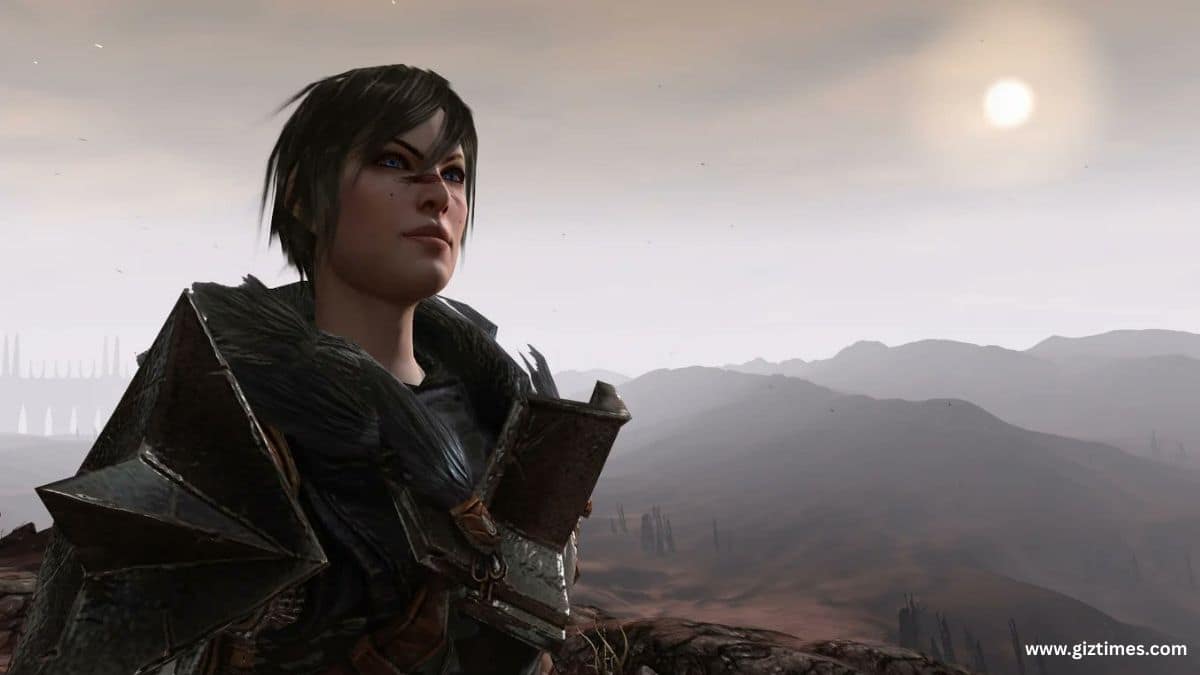
Dragon Age series co-creator David Gaider has candidly explained why reactivity to player choices across sequels remains a persistent headache: Fans crave entire divergent plots, but game development constraints make it feel “never enough.“
While talking to TheGamer during the 15th anniversary of Dragon Age 2, Gaider explained how the games handle past choices, called “world states.” Sometimes these appear as small references, and sometimes as bigger story moments with returning characters. He said that even though the team tried to include many reactions to player choices, it still never felt like enough. According to him, many players actually expect entire new storylines based on their choices, which is very difficult for developers to create.
https://x.com/eurogamer/status/2030971046711468403
This issue goes back to Dragon Age II, which was made in a short development time and mostly takes place in one city. Because of this, the game had a smaller scope than fans expected. Even today, fans still argue about it online some people appreciate its bold ideas, while others strongly dislike the changes it made to the fantasy RPG series.
The challenge scaled up dramatically in Dragon Age: Inquisition (2014), with its vast world and epic stakes. A flashpoint: Morrigan’s ritual outcome, dubbed the “Old God Baby” by fans. Many expected it to trigger a “world-shaking” alternate ending if the child existed. Gaider shut that down: “What [fans] really wanted was for the Old God baby to have this world-shaking importance… I can’t do that. As much as I’d like to, I can only do that in the space of a novel. I can’t do that in a game.“
He still likes small story connections, such as the reveal about Alistair’s mother. However, he says reacting to player choices is a “mixed bag,” a problem he has felt since Dragon Age 2. When players are given important choices in the shared world of Thedas, it can also create problems. When old characters return, fans expect big changes in the story, which makes developers feel that whatever they include may seem either unimportant or not enough.
BioWare’s Mass Effect trilogy offers a counterpoint: Its clear narrative roadmap enabled tighter reactivity across three games. But the teased Mass Effect legacy sequel post-ME3’s divisive endings must navigate similar pitfalls. Entirely different versions of the massive RPG? “Simply isn’t a realistic option,” Gaider implied, no matter the team size or budget.
Dragon Age: The Veilguard (2024) also received criticism from some fans because they felt the game did not react enough to the choices players made in earlier games. Even though BioWare tried to include these reactions, Many players wanted bigger changes in the story based on their past choices. Gaider said this is a common problem in long game series. When games take place in the same world, players expect their earlier decisions to strongly affect future games, but it is very hard for developers to create that.
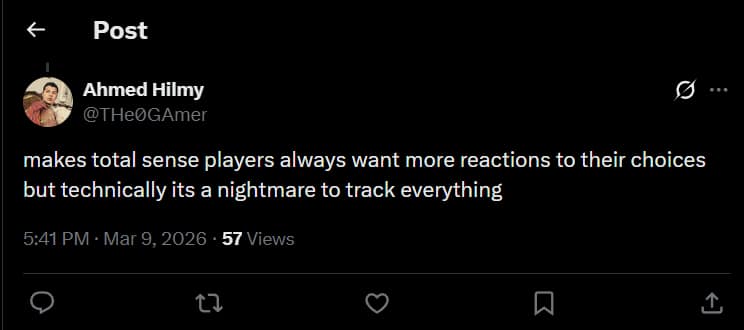
Public reactions on Twitter are mixed about player choice in RPGs.
One user said the explanation makes sense, arguing that players often want many reactions to their decisions, but tracking all those choices across games can be very difficult for developers.
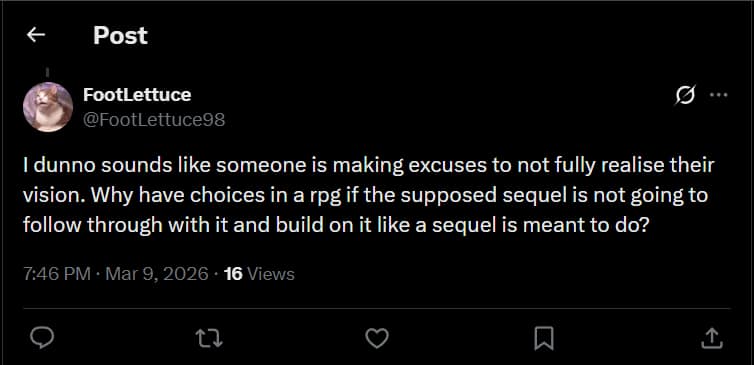
Another user disagreed, saying it sounds like an excuse and arguing that if a game offers choices, the sequel should fully follow those decisions and build on them as part of the story.
A third user made a sarcastic remark, suggesting that modern technology could possibly help solve this problem, hinting that developers might be able to use better tools to manage complex story choices.
As a key architect of Thedas, Gaider’s openness defines him. Eurogamer interviews have uncovered gems like 20-year-old “uber plot doc” lore secrets and the meticulous map-making for the first three games essential reads for fans passionate about BioWare’s craft.
In the end, Gaider likes the small references that connect the games in the series. However, making the story react to every player’s choice is very difficult in big AAA games. This creates a common problem in RPGs: balancing player freedom with what developers can realistically build. As Dragon Age continues to grow, his comments show how hard it is for developers to keep past choices and world states meaningful while still making the game possible to develop.
