

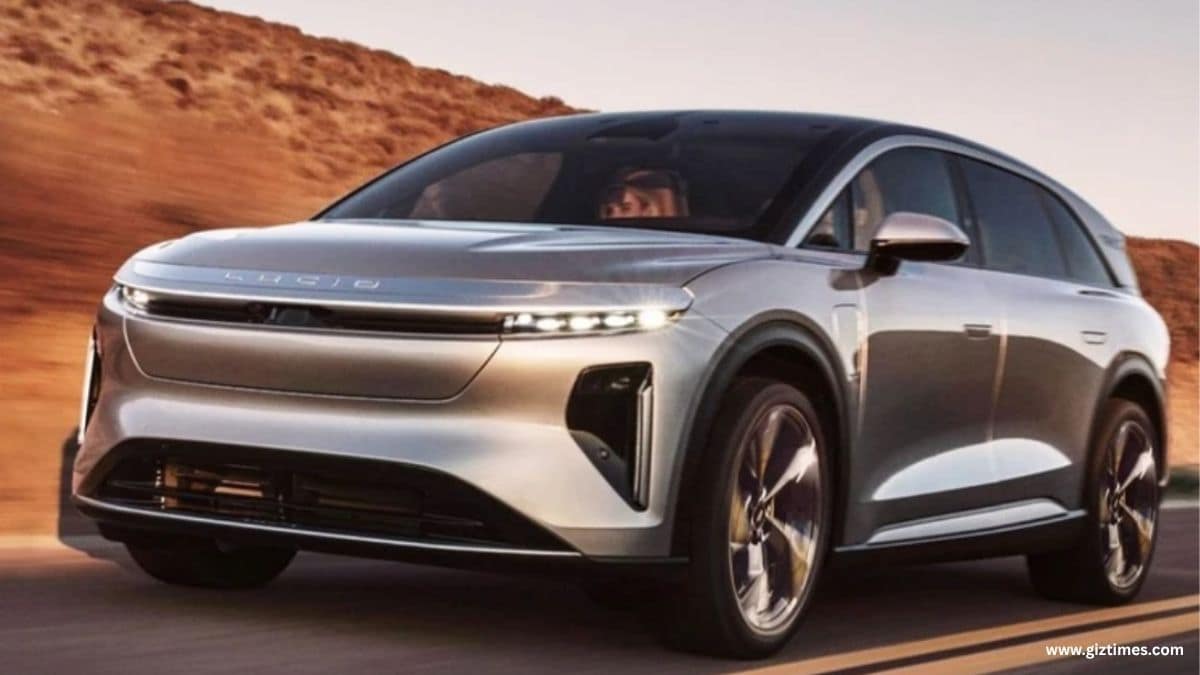
HYDERABAD, India (GizTimes) — Lucid Group, a U.S.-based luxury electric vehicle maker, has missed its vehicle delivery estimates for the first quarter of 2026. The company delivered around 3,093 vehicles despite producing about 5,500 units during the same period. The gap is notable because it suggests that demand may not be keeping up with production, adding pressure on the company in an already competitive EV market.
The difference between production and deliveries is drawing attention. When more cars are built than delivered, it often points to unsold inventory rather than supply issues. For Lucid, which mainly sells high-priced vehicles like the Air sedan, this raises questions about how many buyers are willing to spend in the premium EV segment amid high interest rates and rising competition.
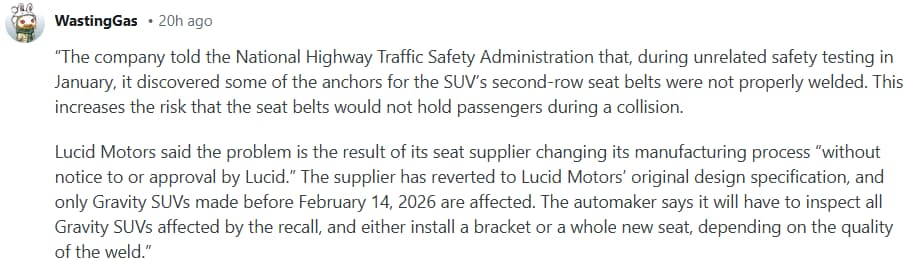
At the same time, the company is facing a separate issue with its upcoming Gravity SUV. During internal testing, Lucid found that some second-row seat belt commentators were not properly soldered because a supplier changed the manufacturing process without approval. The issue affects units built before mid-February 2026, and the company plans to inspect and fix affected vehicles. While this is a limited case, it adds to concerns around execution as Lucid prepares to boost its lineup.
The broader EV market has also become more formidable. Companies like Tesla have reduced prices to attract more buyers, while traditional brands and new players continue to launch more options. In this environment, Lucid’s focus on the luxury segment makes it harder to maintain steady demand, especially when buyers have more choices at lower price points.
The company’s future growth depends heavily on the Gravity SUV, which is expected to deliver higher volumes than the Air sedan. SUVs remain more popular globally, and Lucid is counting on this shift to boost its sales. However, any delays or inefficient response to the Gravity could increase pressure on its business.
This situation matters because delivery numbers are directly tied to revenue and investor confidence. Repeatedly missing targets can raise concerns about long-term sustainability, even for companies with strong financial backing. Saudi Arabia’s Public Investment Fund supports Lucid, but continued gaps between production and demand may test patience if results do not improve.
Public reaction online has been largely critical. One user pointed out, “Lucid company produced 5,500 vehicles and delivered 3,093 vehicles in Q1 2026,” highlighting the gap between output and actual sales. This reflects a broader concern that the issue is not production capacity but demand.
Many discussions now focus on whether Lucid can convert curiosity into actual buyers, a common challenge for newer EV brands.


The upcoming launch and market reaction to the Gravity SUV will likely determine whether Lucid can close the gap between production and demand.
