

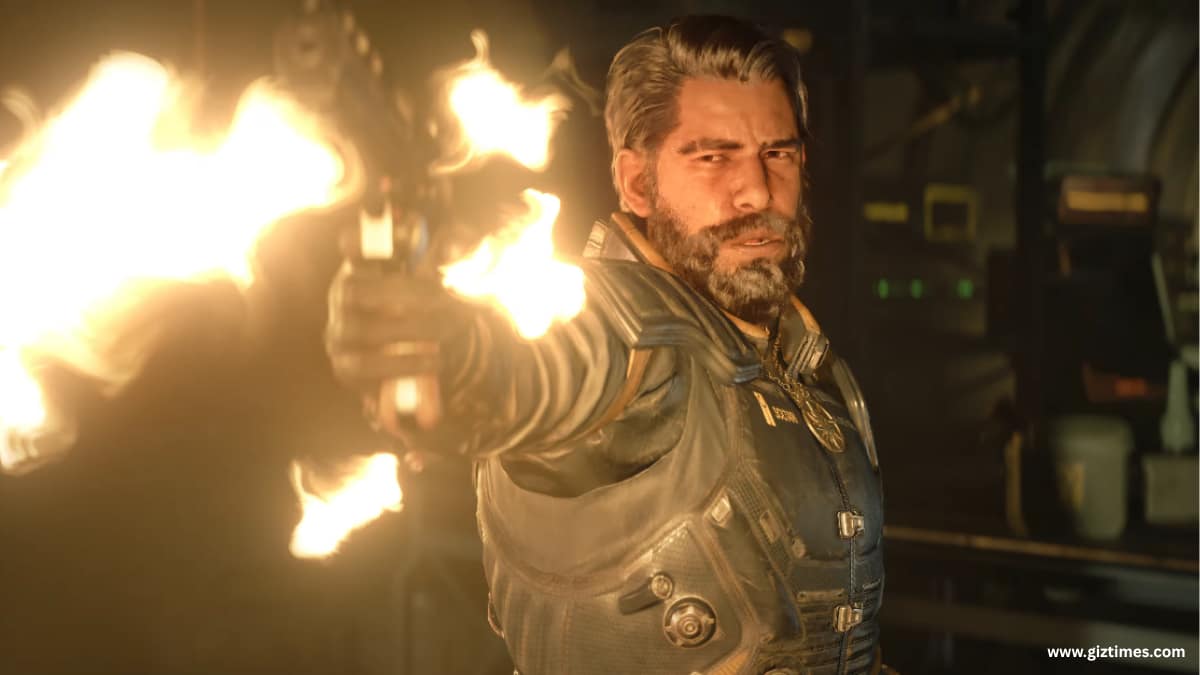
HYDERABAD, India (GizTimes) — Housemarque built its modern identity on Returnal in 2021 that is a high-risk, skill-driven roguelike that defined early PlayStation 5 ambition. Now, Saros (launching April 30, 2026) pushes that same formula into a more structured, persistent, and narratively focused direction.
The tension is clear: Saros isn’t just a follow-up, it’s a strategic shift. It moves away from punishing resets toward player retention systems, while still preserving the bullet-hell DNA. The question is whether that evolution strengthens gameplay performance and expands market reach, or softens what made Returnal stand out.
Why This Matters in Gameplay
The core gameplay difference changes how players experience failure. In Returnal, death wipes most progress, forcing mastery through repetition. That creates intensity, but also friction.
Saros replaces that friction with permanent progression. Upgrades, abilities, and systems persist across runs, which fundamentally alters pacing. Players are no longer restarting from zero, they are building momentum. This reduces punishment but also shifts the skill curve from pure execution to hybrid progression.
Combat design reinforces this shift. Returnal is defensive under pressure that is dodge, survive, adapt. Saros, through its Soltari Shield system, pushes aggressive play. Absorbing projectiles and converting them into counterattacks turns defense into offense.
This is a mechanical evolution, not just a feature addition. It changes how players read enemy patterns, manage risk, and approach encounters. The gameplay becomes less about avoiding damage and more about weaponizing it.
Performance Analysis (Framework Integration)
From a performance standpoint, both titles are built to showcase PlayStation hardware but their priorities differ.
Returnal focused on raw responsiveness and immersion: instant respawns via SSD, heavy DualSense integration, and dense particle combat. Its performance identity was tied to intensity and technical showcase.
Saros builds on that but shifts toward visual scale and stability. Running on Unreal Engine 5 with PS5 Pro enhancements, it targets ~4K at 60 FPS with improved particle clarity and upscaling. This suggests a move toward consistency and cinematic presentation rather than pure sensory overload.
More importantly, session structure impacts performance perception. Returnal’s long, punishing runs amplify frustration when performance issues occur. Saros introduces shorter 20–30 minute sessions, which reduces fatigue and makes technical hiccups less punishing to the overall experience.
This is a subtle but important performance design decision—one that blends technical delivery with player psychology.
Comparison
At a systems level, Saros is not replacing Returnal—it’s restructuring it.
| Feature | Saros (2026) | Returnal (2021) |
|---|---|---|
| Progression System | Permanent progression (persistent upgrades) | Mostly reset-based progression |
| Gameplay Loop | 20–30 min structured sessions | Long, high-risk runs |
| Combat Philosophy | Aggressive (absorb + counter via shield) | Defensive (dodge-heavy survival) |
| Engine | Unreal Engine 5 | Proprietary engine |
| Performance Target | ~4K / 60 FPS (PS5 Pro enhanced) | High-performance PS5 showcase |
| Narrative Approach | Character-driven (Arjun Devraj) | Environmental, fragmented storytelling |
| Accessibility | Designed for broader accessibility | High difficulty, skill-gated |
| Platform Reach | PS5 exclusive | PS5 + PC |
The key takeaway isn’t feature expansion—it’s friction reduction. Every system in Saros is tuned to keep players progressing rather than restarting.
Public Reaction Analysis
Community sentiment reveals a pattern of cautious optimism shaped by past experience.


Players who loved Returnal see Saros as a natural evolution “Returnal 2.0” and are comfortable with the formula expanding. The strong early review scores reinforce confidence that Housemarque hasn’t lost its edge.

At the same time, there’s memory-driven hesitation. Concerns about early technical issues in Returnal, progress glitches and freezes are still influencing purchase decisions. Some players are delaying adoption despite excitement.
There’s also an interesting contradiction. Players praise accessibility improvements and persistent progression, yet the same audience celebrated Returnal for its difficulty. This suggests the audience isn’t strictly hardcore—they value challenge, but not friction that wastes time.
That distinction is critical. It explains why Saros is being accepted despite moving away from traditional roguelike punishment.
Why It Matters
Saros represents a broader industry shift in live-service-adjacent design philosophy even in single-player games.
Pure roguelike punishment limits audience size. Persistent progression expands it. By reducing restart fatigue and introducing structured sessions, Saros aligns with modern player expectations: meaningful progress in limited time.
For Sony, this also strengthens first-party positioning. Returnal proved technical ambition; Saros aims for scalability. It’s designed to appeal beyond the hardcore niche without abandoning identity.
If successful, this model could influence how future AAA roguelites are built in less about endurance, more about sustained engagement.
Extra Takeaways
The eclipse-driven environmental changes in Saros subtly replace Returnal’s randomness with controlled variability. This suggests a design shift from unpredictability to curated dynamism, players still experience change, but within a more readable system.
Another notable detail is narrative emphasis. Moving to a character-driven story with Arjun Devraj indicates confidence that players will stay engaged longer that something Returnal’s fragmented storytelling struggled to guarantee for all audiences.
If successful, Saros could redefine how roguelite shooters scale into mainstream AAA, but the risk is losing the uncompromising identity that made Returnal unforgettable.
Read More:
