

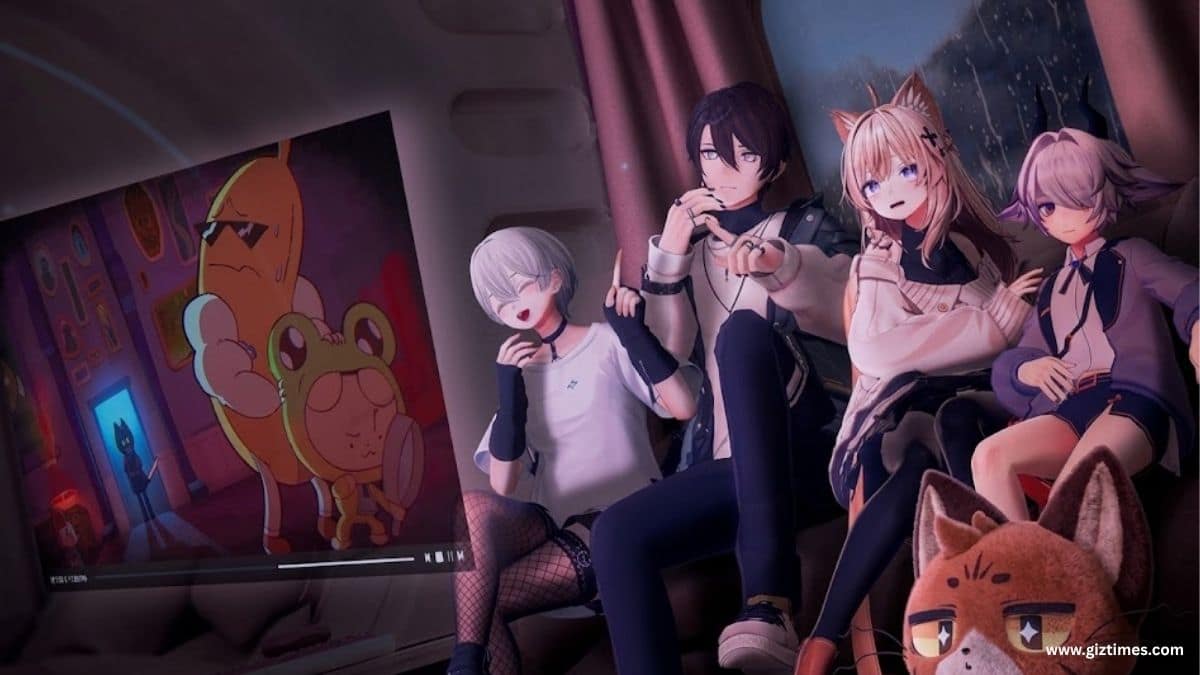
HYDERABAD, India (GizTimes) —Social VR platforms are facing a downturn. Rec Room is set to shut down in June 2026, while Meta is shifting Horizon Worlds toward mobile and scaling back its VR studios. With all this happening, VRChat co-founders Graham Gaylor and Jesse Joudrey said on April 3, 2026, that VRChat is not going anywhere, positioning the platform as a rare outlier backed by strong user growth.
VRChat reached 150,000 concurrent users on New Year’s Eve, a milestone it has already surpassed twice, most recently hitting 160,000. At the same time, its creator economy has been picking up pace, as engagement of users in first-party stores and avatar marketplaces has played an important role.
Since mid-2025, a dedicated marketplace using VRChat Credits has slowly shifted revenue away from external platforms like Booth and Gumroad. Studio TrickForge, spookyghostboo, and nawty have built strong communities and steady income there.
Meta’s Reality Labs now prioritizes AI and smart glasses over VR gaming. The company recently canceled a Batman: Arkham Shadow sequel from Sanzaru Games, a Harry Potter VR title from Skydance Games, and a major project from Moss creator Polyarc. Rec Room, once valued at $3.5 billion, collapsed under operating costs that outpaced revenue, unable to find a workable business model.
VRChat runs across Quest, SteamVR, Pico, PC, and mobile, giving it a level of flexibility many competitors lack. Its founders still highlight how user-created worlds and identities shape the experience, often in ways they believe can genuinely change people’s lives, something many shorter-lived platforms never quite achieved.
This matters because VRChat’s user peaks mask venture capital risks similar to Rec Room’s fate; sustained profitability or acquisition remains essential, even as Meta retreats from immersive social VR.
Public reaction on X (Twitter) has been mixed, with both optimism and criticism coming from users with firsthand experience on the platform.
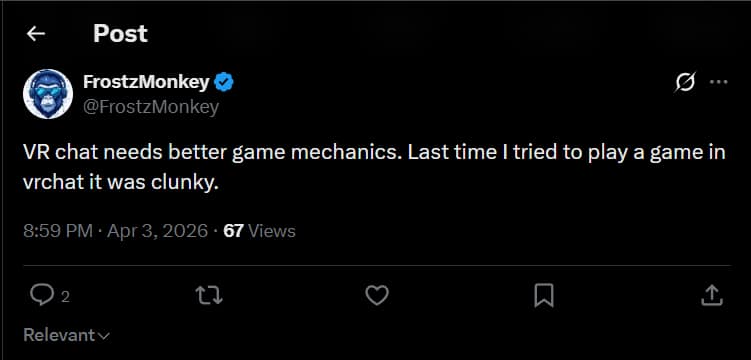
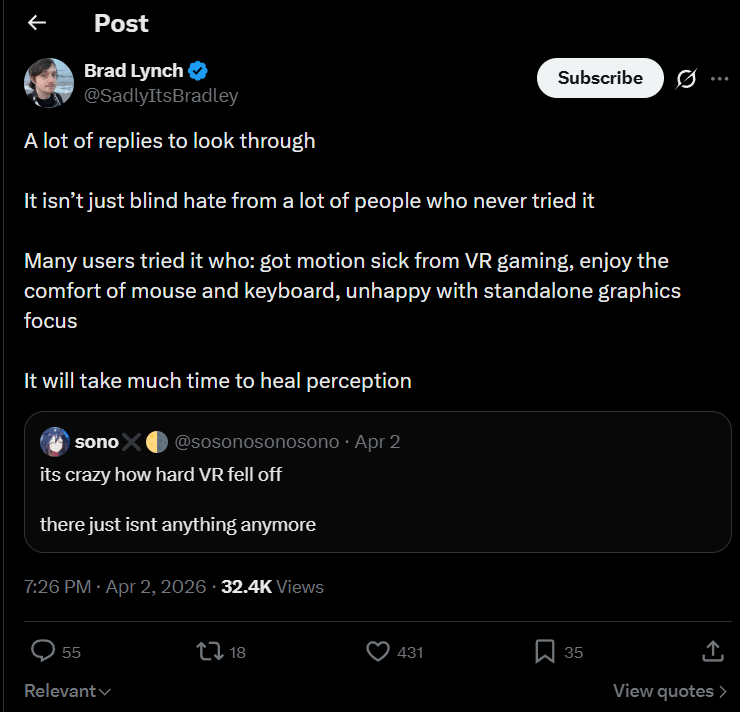
One noted that VR chat needs better game mechanics. Last time I tried to play a game in VRChat, it felt clunky. The replies point to deeper issues: motion sickness in VR, a preference for mouse-and-keyboard over controllers, and frustration with standalone graphics. Together, these concerns suggest VRChat still needs to simplify its core gameplay experience to better retain players and improve how it’s perceived over time.
 The upcoming Rec Room shutdown will likely determine whether VRChat’s model succeeds or fails.
