

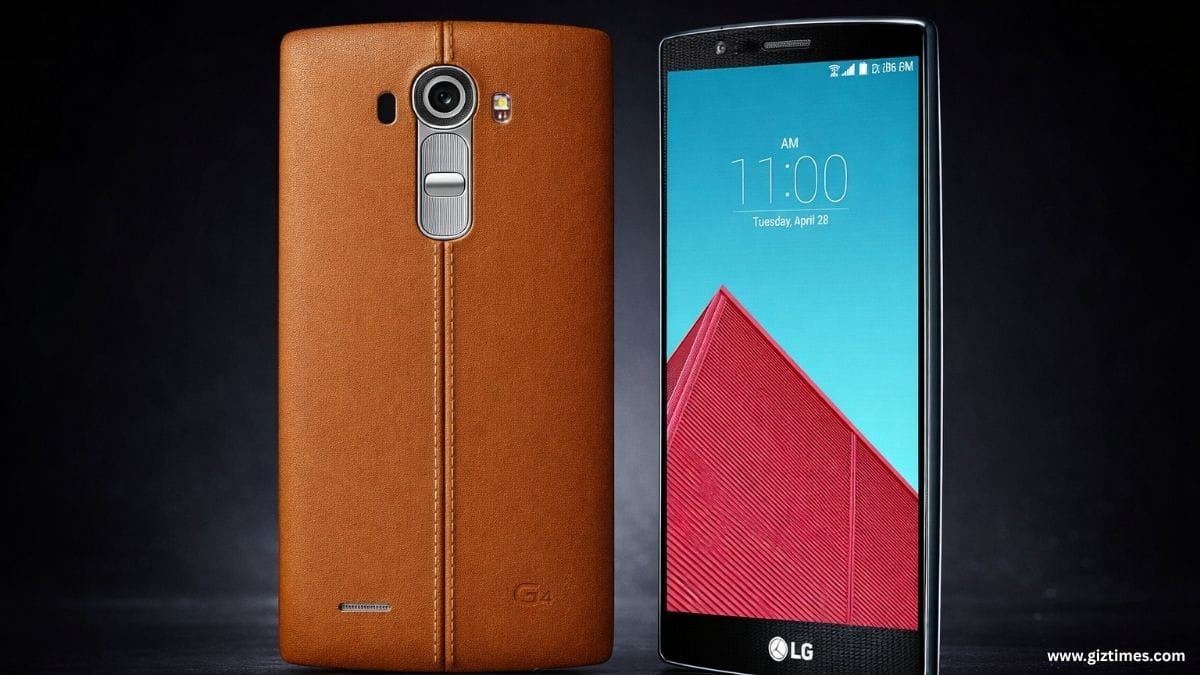
The LG G4, launched on April 28, 2015, was a flagship Android phone that focused on camera quality and design. It came as the successor to the LG G3 and quickly got attention because of its leather back option and strong camera performance. At the same time, issues like average performance and a serious bootloop problem affected its image later.
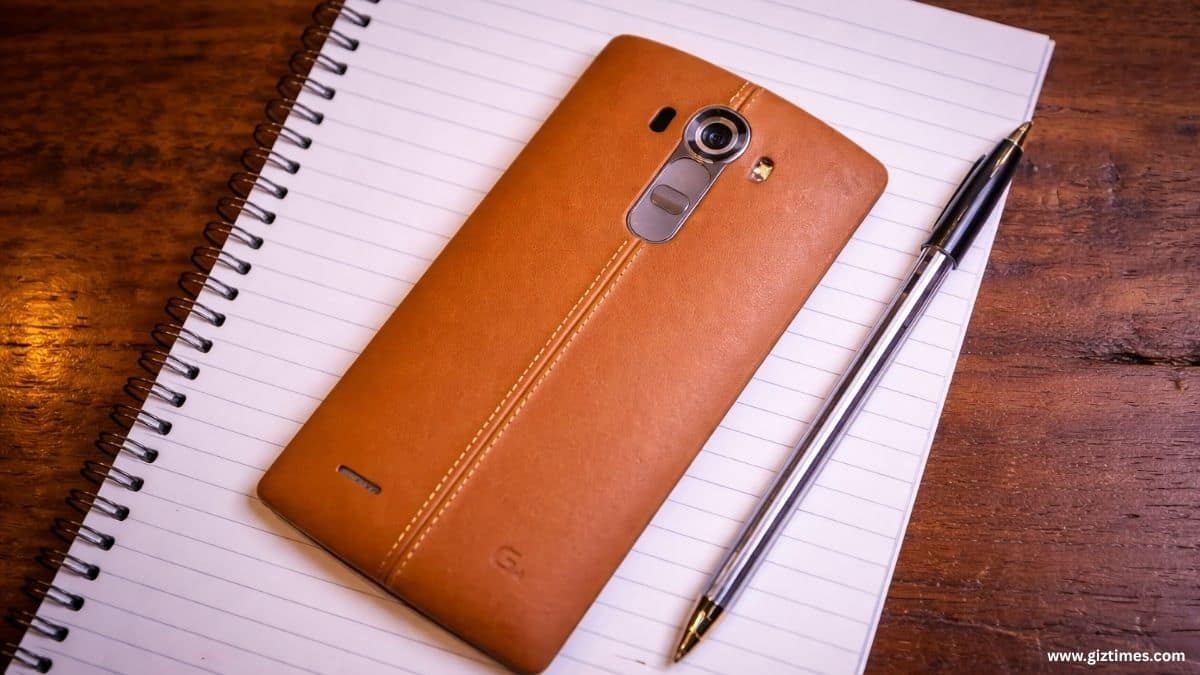
LG tried something different with the design. The phone had a slightly curved body and buttons placed on the back, which made it easy to use once you got used to it. The biggest highlight was the genuine leather back with a stitched look, available in colors like brown, black, and red. There was also a plastic version with a patterned finish for those who did not want leather. The phone was light and comfortable to hold despite having a large screen.
The display was one of the best parts of the phone. It had a 5.5-inch Quad HD screen with very sharp quality. Colors looked natural and the screen was bright enough for outdoor use. At that time, it was considered one of the top displays available in smartphones.
The camera was the main reason many people bought the LG G4. It had a 16 MP rear camera with a wide f/1.8 aperture, which helped in low light photos. It also have optical image stabilization and laser autofocus for faster and clearer shots.
One special feature was the manual mode, where users could control settings like ISO and shutter speed, similar to a DSLR camera. It also supported RAW photos. The front camera was 8 MP and worked well for selfies. Video recording went up to 4K.
In terms of performance, the phone used the Snapdragon 808 processor with 3GB RAM. It handled daily tasks smoothly, but it was not as powerful as some other flagship phones at that time. Some users also noticed heating during heavy use like gaming.
The LG G4 had a 3000 mAh removable battery, which was a big advantage. Users could replace the battery easily or carry a spare. Battery life was average and usually lasted a full day with normal use. It also supported fast charging.
The phone launched with Android 5.1 Lollipop and later received updates to Android 6.0, and some models even got Android 7. LG added its own features like double-tap to wake the screen and quick notifications.
It supported 4G LTE, Wi-Fi, Bluetooth, NFC, and had a headphone jack. Storage could also be expanded with a microSD card, which was useful.
However, the biggest problem with the LG G4 was the bootloop issue. Many devices suddenly got stuck on the LG logo and stopped working. This was caused by a hardware fault, and LG even accepted this issue in some regions. Because of this, many users lost trust in the device.
The LG G4 was a phone that offered a great camera and a unique design at a time when most phones looked similar. It also had useful features like a removable battery and expandable storage. But weaker performance and serious reliability issues stopped it from becoming a long-term success.
