

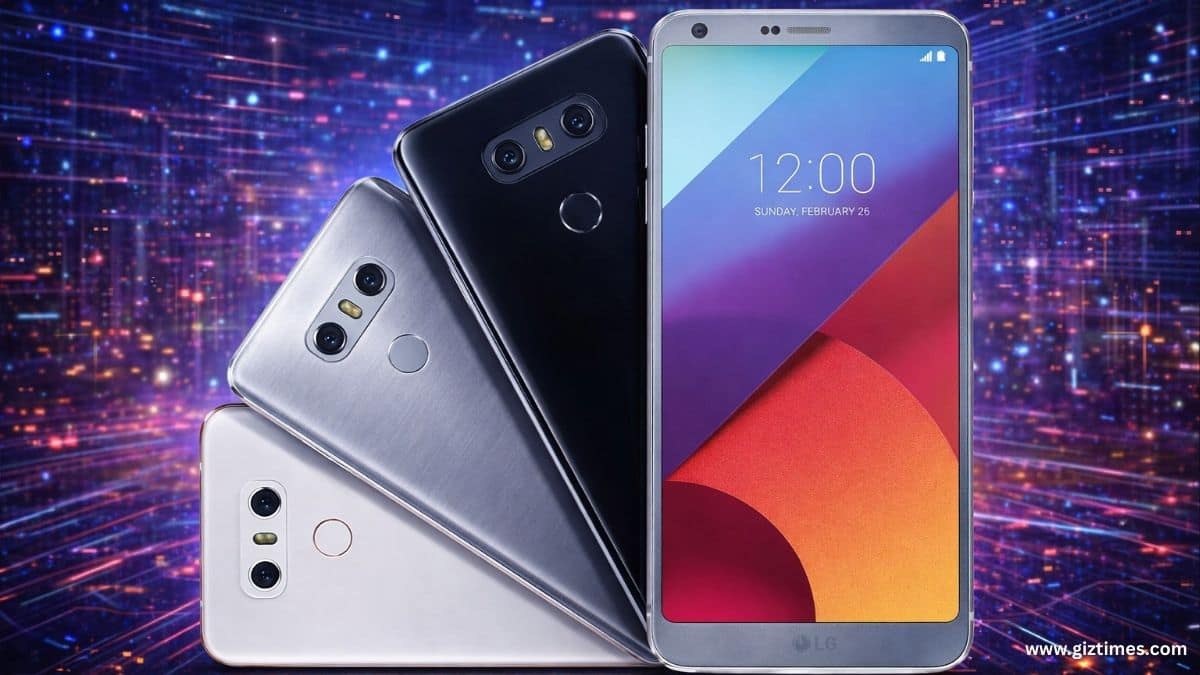
The LG G6 is a flagship Android smartphone released by LG Electronics in 2017. The phone was announced on 26 February 2017 during Mobile World Congress 2017 and became available globally in March 2017. In India, the device launched on 24 April 2017 with a price of ₹51,990. The smartphone came as the successor to the LG G5 and was later replaced by the LG G7 ThinQ. One of the main highlights of the LG G6 was its new “FullVision” display with an 18:9 aspect ratio, which was still uncommon in smartphones at that time.
The LG G6 has a premium design with a metal frame and glass on both the front and back. The phone measures 148.9 mm in height, 71.9 mm in width, and 7.9 mm in thickness, and it weighs around 163 grams. The display is protected by Corning Gorilla Glass 3. It also comes with IP68 water and dust resistance, which means the phone can survive in water up to about 1.5 meters for around 30 minutes. LG offered the phone in several colors including Astro Black, Ice Platinum, Mystic White, Terra Gold, and Marine Blue in some markets.
The device features a 5.7-inch IPS LCD display with a resolution of 2880 × 1440 pixels. This gives the screen a pixel density of about 564 pixels per inch. The 18:9 aspect ratio allows the screen to be taller than traditional smartphone displays, which helps when watching videos or using two apps at the same time. The display also supports Dolby Vision and HDR10, making it one of the early smartphones capable of HDR video playback.
Inside the phone, the LG G6 runs on the Qualcomm Snapdragon 821 chipset paired with the Adreno 530. It comes with 4 GB of LPDDR4 RAM. Storage options include 32 GB and 64 GB, while the later LG G6+ variant offers 128 GB of storage. The phone also supports microSD cards, allowing users to expand storage depending on card compatibility.
For photography, the LG G6 includes a dual-camera system on the back. Both cameras have 13-megapixel sensors. The main camera has an f/1.8 aperture and optical image stabilization with a 71-degree field of view. The second camera uses a wide-angle lens with a 125-degree field of view and an f/2.4 aperture.
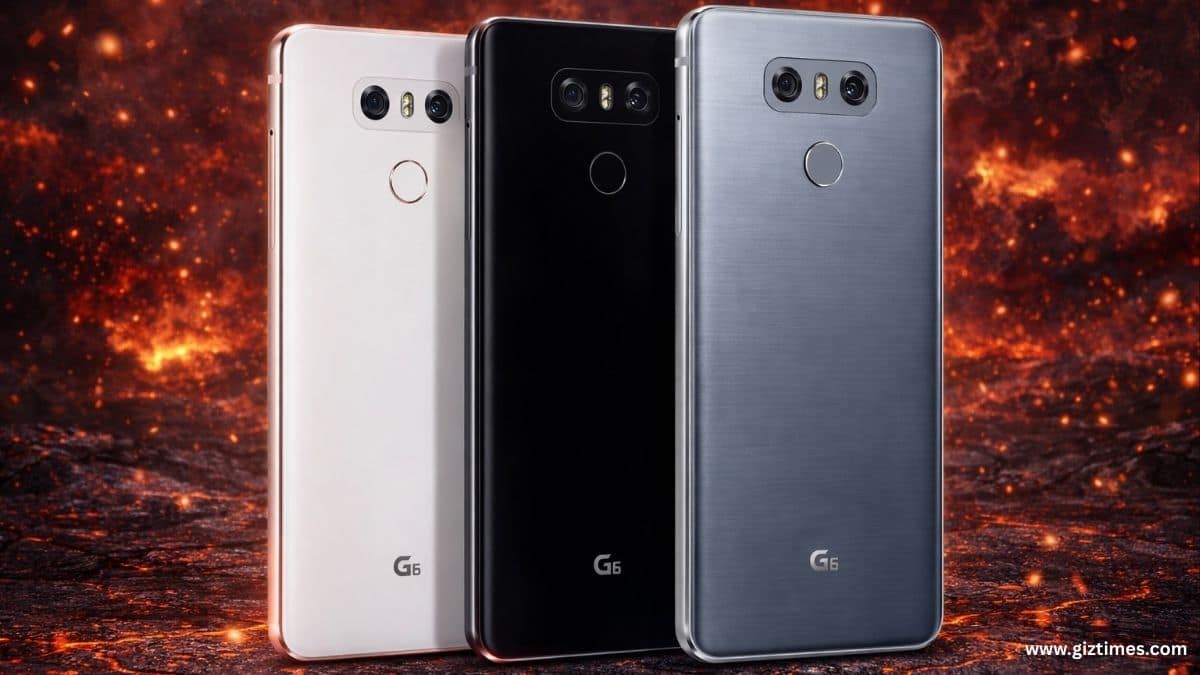
The camera supports features such as HDR photos, panorama mode, manual controls, and a square camera mode designed for social media images. The phone can record videos in 4K resolution at 30 frames per second. On the front, the LG G6 has a 5-megapixel camera with a wide 100-degree lens. The device received a score of 84 in mobile photography tests by DxOMark.
The phone is powered by a 3300 mAh non-removable battery. It supports Qualcomm Quick Charge 3.0, which can charge the battery to around 50 percent in about 35 minutes. Some regional versions of the device also support wireless charging.
The LG G6 originally shipped with Android 7.0 Nougat and LG’s UX 6.0 interface. Later updates brought the phone to Android 8.0 Oreo and then Android 9.0 Pie, which became the final official Android update. The phone also supported Google Assistant, making it one of the early non-Pixel devices to include the assistant at launch.
For connectivity, the LG G6 supports GSM, UMTS, and LTE networks. It includes Wi-Fi 802.11 a/b/g/n/ac, Bluetooth 4.2, NFC, GPS, and GLONASS. The phone has a USB Type-C port and still includes a 3.5 mm headphone jack. Sensors on the device include a rear fingerprint scanner, accelerometer, gyroscope, proximity sensor, and compass.
Some versions of the LG G6 sold in Asian markets also included a Quad DAC audio system designed to improve sound quality when using wired headphones. This feature made the phone popular among users who preferred high-quality music playback on smartphones.
The LG G6 also marked an important design change for LG. The company removed the modular accessory system used in the previous model and moved back to a traditional sealed smartphone design and it helped LG to add water resistance and a larger display while keeping the phone relatively compact.
When it launched in 2017, the LG G6 competed with smartphones such as the Samsung Galaxy S8, Google Pixel, HTC U Ultra, Sony Xperia XZ Premium, and the iPhone 7.
