

ANUPPUR, India (GizTimes) —Ubisoft’s The Division 2 is entering its eighth year with a focus on sustaining its veteran player base, as live-service games increasingly rely on long-term engagement to stay relevant. The newly announced Rise Up update, part of Year 8 Season 1, is bringing a high-difficulty endgame mode called Escalation and introduces Prototype Gear as a new progression system. What makes the update notable is its attempt to extend the power ceiling for max-level players while reshaping the endgame loop with higher risk and reward.
The new Escalation mode is offering a rotating playlist of five missions and strongholds that refresh weekly. Players can select difficulty tiers rather than specific missions, with matchmaking tied to those tiers. For each run, teams will require Tokens, which are lost if a team gets wiped out. This will raise the players‘ participation.
The mode also introduces dynamic Mutators such as Harvester, where enemies regenerate based on player armor, and Hot Foot. It also punishes players for staying stationary by building a shock effect. Along with this, Suppressor and Anchor bring layered combat challenges that force coordination and movement.
Alongside this, Prototype Gear creates a new layer of progression for players. This will only be available for players who have already maximized Expertise. Eligible Level 40 items can be upgraded using Prototype Cores, allowing attributes to reach up to 1.5 times previous limits.
This system is positioned as a long-term grind, though some elements, such as Skill Tier scaling, remain unchanged for now, with balancing planned later.
The update also adjusts existing systems. Retaliation mechanics have been expanded with multi-level Agitation. It will enable chained activations, while timers now scale with active playtime rather than real-world time. Other than that game has addressed a common player complaint and extended its Loot collection windows to 90 seconds.
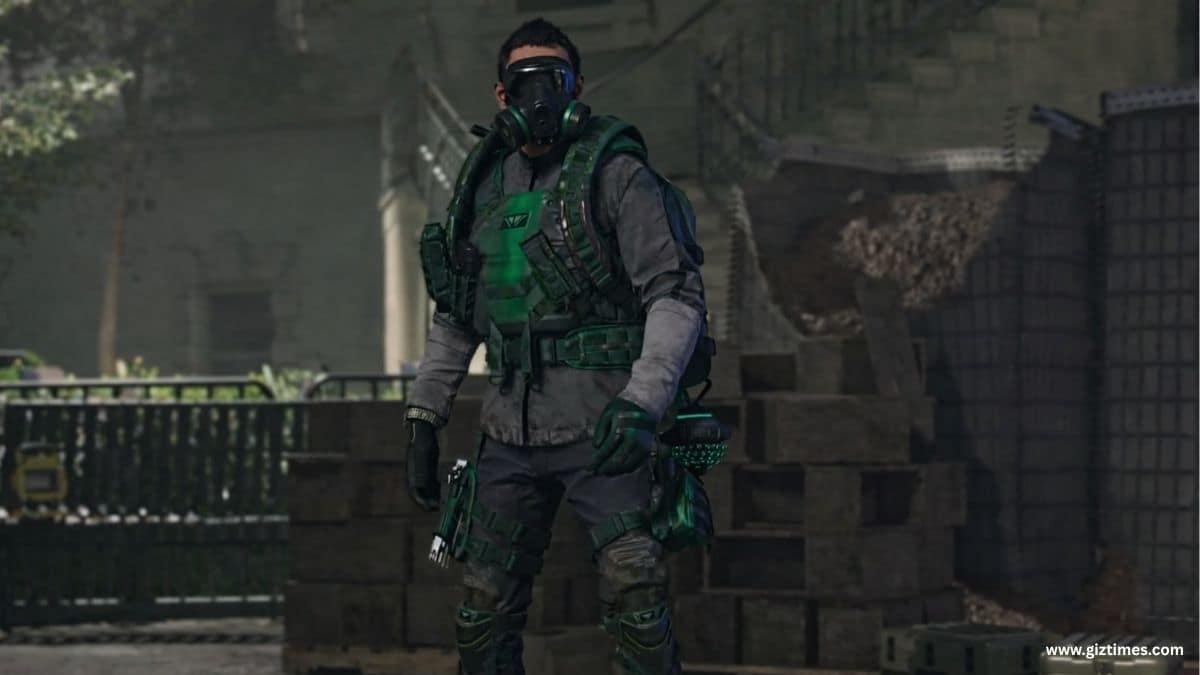
On the narrative side, the Black Tusk faction escalates its operations across the city, with new fallout missions linked to stabilizing affected areas. New active modifiers such as Blackout Pulse and Cloud Armor will diversify combat encounters.
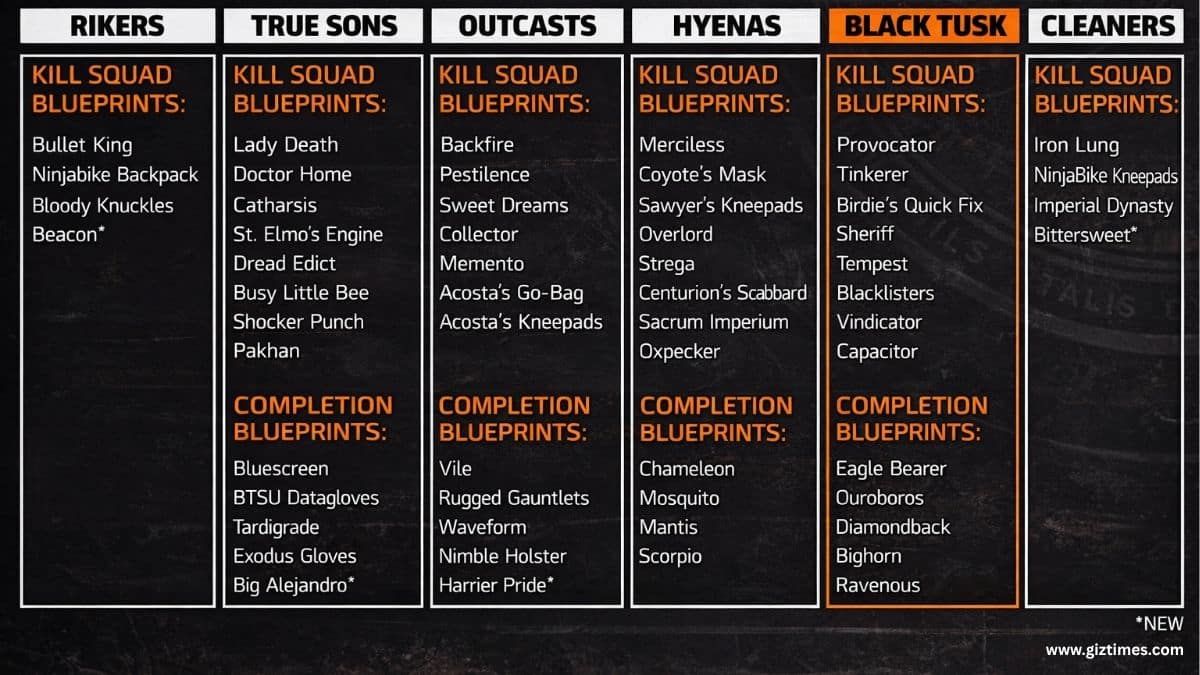
Rewards have been structured to support the new loop. Escalation guarantees key materials like Field Recon Data and Exotic Components. Prototype Gear drop rates increase with higher tiers. To maintain balance, Ubisoft has turned off Prototype Gear augments in PvP, raids, and incursions, ensuring competitive modes remain unaffected by the new power system.
The studio has described these features as a work in progress, pointing out that there will be ongoing adjustments based on player feedback.
This new update is really important because it directly addresses a common issue in long-running live-service titles: player stagnation at the top end.
By raising the power ceiling and introducing risk-heavy activities, Ubisoft is trying to keep experienced players engaged without disrupting balance in competitive modes. Its success will depend on whether the new systems feel rewarding rather than repetitive or punishing.
Compared with similar endgame expansions in games like Destiny 2, which periodically reset or rework progression systems, The Division 2 is opting to build on existing mechanics instead of replacing them. This approach may appeal to dedicated players but risks alienating those who find the grind too steep.
Early gamers’ reaction on different social media appears mixed. Some players expect technical issues at launch, with one user noting, “Expect server instability first week. If Hardcore, skip the first week.” That comment reflects a broader trend in live-service updates where large content drops often strain servers. And many players face a delay in participation.

At the same time, criticism around cosmetic direction and PvP design shows ongoing tension between different segments of the player base.

The upcoming Rise Up update will likely determine whether The Division 2’s endgame evolution succeeds or fails.
