

ANUPPUR, India (GizTimes) —Rainbow Six Siege has always had a competitive community operating in the shadows of its top-tier leagues. Ubisoft has now launched a revamped R6 Esports Competition Hub on its official website — a single platform built specifically to organize, surface, and legitimize the Tier 2 and Tier 3 competitive scene. What makes this notable is not just the infrastructure, but that Ubisoft is formally acknowledging the grassroots layer of its esports ecosystem and giving it a structured home.
With this hub, players and fans can discover Challenger Circuits and regional tournaments run by both Ubisoft and independent community organizers. Each tournament listing shows the organizer’s name, prize pool, dates, and whether the event is online or in-person. Users can filter by region, which directly addresses a recurring pain point for semi-professional players who previously had to hunt across Discord servers and third-party platforms to find relevant competitions near them.
Beyond discovery, the hub includes a Tournament License Page that lets organizers apply for an official license and get their events promoted on the platform. Ubisoft has said that there will be two license tiers: a Community License for non-profit tournaments with a maximum prize pool and sponsor contribution of $10,000 each, and a Custom License for anything that exceeds those thresholds or falls outside standard criteria. This distinction gives smaller organizers a clear, low-barrier entry point while keeping larger commercial events on a separate, more regulated track.
This matters because Siege’s professional scene depends on a functioning pipeline beneath it. Without a structured Tier 2 and Tier 3 layer, the top leagues eventually run dry of developed talent. By centralizing discovery and licensing, Ubisoft is essentially trying to formalize what has been an informal and fragmented system. The platform doesn’t just help players find tournaments, it gives community organizers a reason to run them properly, with visibility as a direct incentive for compliance.
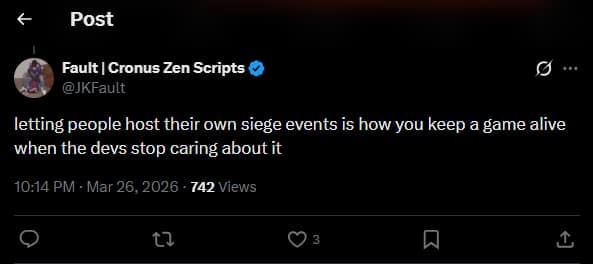
Reactions from the community have been largely positive, with an undercurrent of pragmatism. One user said, letting people host their own siege events is how you keep a game alive when the devs stop caring about it. This points out less a celebration of Ubisoft’s effort and more a community that has learned to operate independently and sees official support as a welcome but not unconditional endorsement.
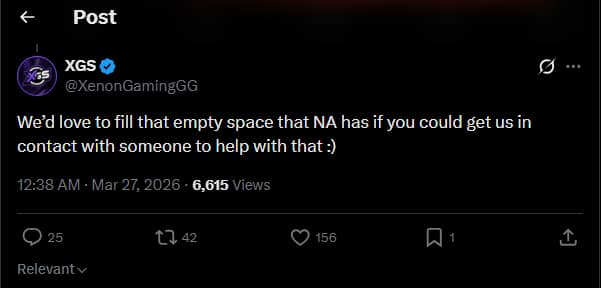
There’s also clear demand from regions that feel underserved particularly North America at the semi-pro level, with organizers publicly signaling they’re ready to step in and fill the gap if given the right access. This points to a broader pattern in esports where grassroots infrastructure increasingly drives game longevity more than the professional tier does.
 How far new teams and players actually adopt the hub in the coming months will decide whether this becomes a great move for its competitive future or just a well-designed page with low engagement.
