

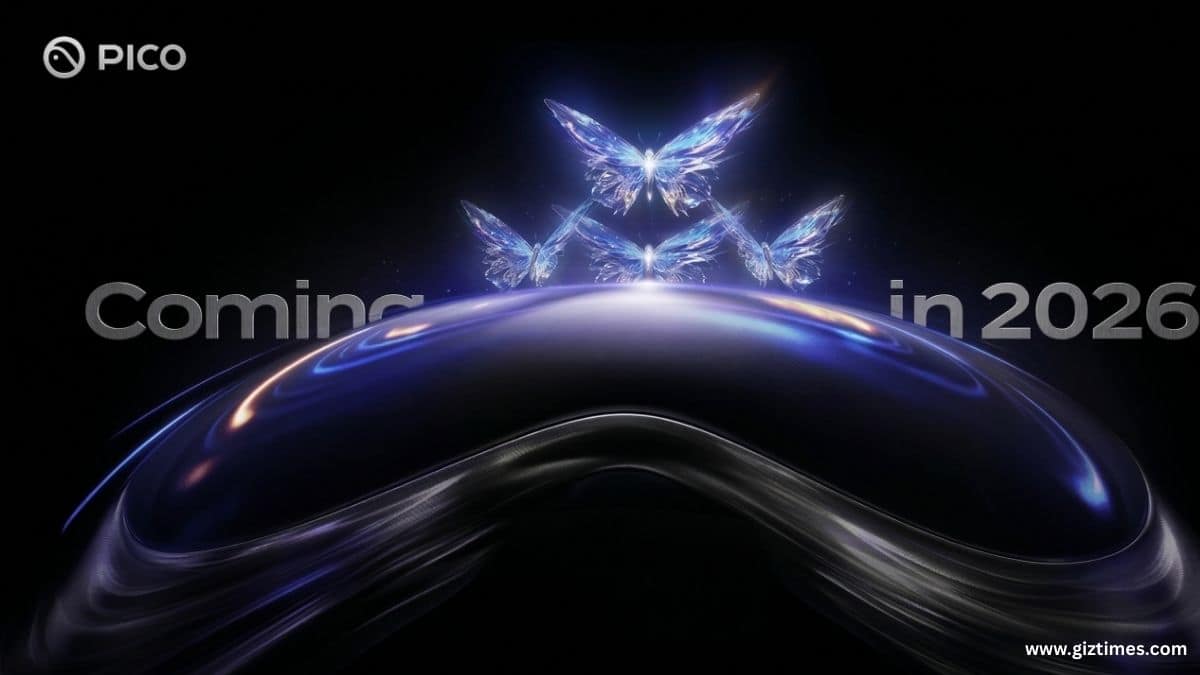
Pico unveiled Pico OS 6 today, their biggest XR software update ever. They also dropped fresh teasers for Project Swan, the next MicroOLED headset launching late 2026. All this builds excitement for their live GDC 2026 demo next week, March 9-13, in San Francisco. Project Swan’s specs blow minds: MicroOLED displays hitting nearly 4,000 pixels per inch for pin-sharp clarity. Expect around 40 pixels per degree across the view, spiking over 45 in the center for crisp details.
https://x.com/UploadVR/status/2028525916905681219
Power comes from dual chips: a custom XR silicon that nails 12 ms perception latency, plus a flagship SoC that doubles CPU/GPU speed over Snapdragon XR2 Gen 2. Pico kicked off a Global Early Access Program at picoxr.com. Lucky picks get to test Swan hardware and OS 6 early.
Pico OS 6 shines with “Spatial Engine,” a new layer blending Android apps into 3D worlds naturally. No more flat screens, floating spreadsheets, email, or design tools awkwardly live right in your immersive space. Pico says: “Users work with everyday apps while staying deep in VR or mixed reality.”
Multitasking levels up via PanoScreen. Pin apps to Windows anywhere in 360 degrees around you. Pinch with hands, use controllers, or plug in keyboard/mouse. It’s like having an infinite number of desks in virtual space, perfect for editing docs during a 3D call.
Developers also benefit a lot. The new Spatial SDK in Kotlin makes it easier to build XR apps. It has simple drag-and-drop tools for creating the app interface. The system can also adjust automatically to different devices while the app is running. This means developers can turn normal phone apps into XR experiences quickly and with fewer problems.
Pico’s GDC session promises the full scoop: live Project Swan demos, graphics benchmarks, hand/eye/voice interactions, and dev toolchains. They’ll show real examples like porting games or productivity apps to spatial workflows. It’s a direct shot at Apple VisionOS and Android XR rivals.
ByteDance (TikTok’s parent) backs Pico hard, fueling global ambitions after dominating China with Pico 4. Project Swan targets premium users tired of bulkier headsets like Meta Quest 3. Swan has a big advantage. Its MicroOLED display is much sharper than the LCD screens used in Quest headsets. This means you can read very small text clearly, and games can look more detailed and realistic.
It also has very low delay (latency), so fast movements feel smooth and are less likely to cause motion sickness. The device also uses two chips, one handles AI tasks and the other handles graphics and rendering, so everything runs faster and more smoothly. Spatial Engine fixes XR’s app problem. Current headsets silo 2D apps; Pico seamlessly mixes them. Example: Pull up Netflix in a virtual theater while chatting on Discord bubbles nearby.
PanoScreen is inspired by Vision Pro but adds something new. Instead of flat screens, it shows windows in a full circle around you, which makes the experience feel more immersive. Developers also get one set of APIs, so they can build an app once and use it on different devices. The Early Access program is a smart idea, too. Testers can try the device early, share feedback, and create excitement by posting unboxing videos. People who want to join can apply on picoxr.com before the spots are full.
The timing of this announcement during GDC increases competition in the XR market. Meta is teasing the Quest 4, Apple is improving its Vision headset, and Samsung is working on Android XR. Now, Pico is joining the competition with a more open approach and possibly a lower price. Some people expect it could cost around $1,000–$1,500, which is much cheaper than high-end headsets that cost about $3,500.
Public reactions on Twitter (X) show mixed feelings about the upcoming Pico next‑generation VR headset.
One user questioned whether enough games will be created for the device, arguing that even the best hardware is not useful if there is no strong game library to play on it.

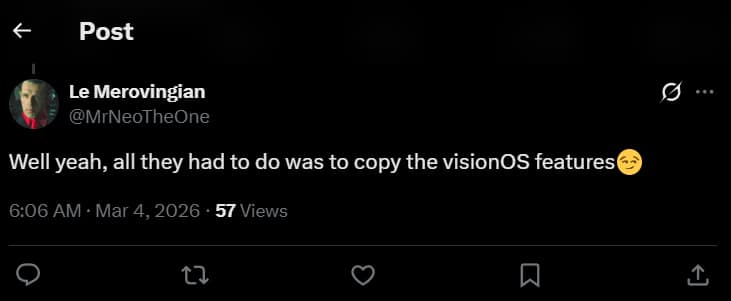
Another user commented that the new operating system features seem similar to those of visionOS, suggesting the company may simply be copying ideas rather than introducing something original.
A third user showed interest in a different project instead, saying they mainly care about Steam Frame, which indicates that some VR fans are more excited about other upcoming headsets.

However, there are still some important questions. People want to know the exact price, how long the battery will last, and whether the headset will be comfortable for long use. The passthrough cameras for AR also need to be good, and there are concerns about global supply chains after China. These factors will affect how successful the device becomes.
Pico’s track record impresses. Pico 4 nailed 4K displays, eye-tracking, and enterprise sales. OS 6 evolves its Android base with spatial smarts. We’ll hit GDC hard, expect hands-on Swan reviews, OS 6 benchmarks vs. competitors, and dev interviews. This could redefine affordable high-end XR.
